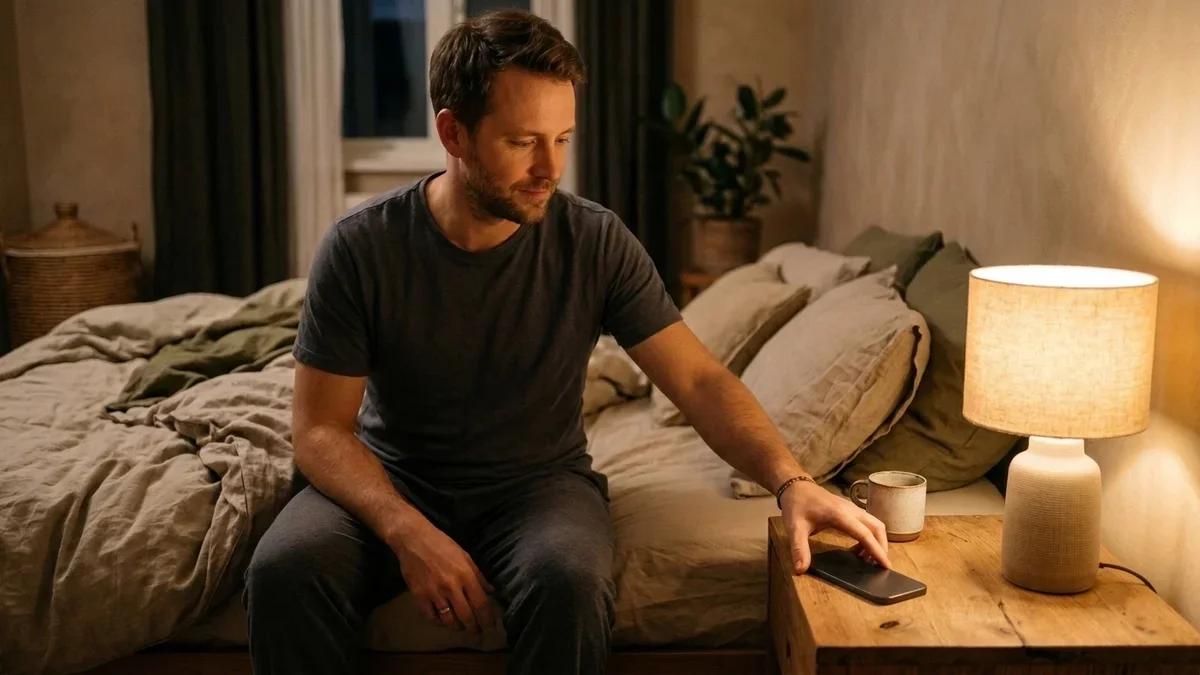
Late-night doomscrolling has evolved into a quiet epidemic inside millions of modern households: the bedside clock reads 1:30 AM, the bedroom is dark, yet fingers continue to compulsively drag across algorithmic news feeds and social timelines. Instead of unwinding after a demanding day of work and parenting, our nervous system is flooded with high-alert adrenaline and hyper-arousal. When mothers and fathers succumb to this nighttime trap, the hidden price is not just morning exhaustion for themselves, but a fractured emotional atmosphere that ripples through the entire home.
- The Neurobiological Trap: Late-night doomscrolling locks the amygdala in hypervigilance mode, triggering a surge of evening cortisol while suppressing melatonin synthesis by up to 80%.
- Parental Digital Burnout: Chronic sleep deprivation depletes prefrontal executive function by 60%, leaving parents irritable and triggering morning friction at the breakfast table.
- Mirror Neurons & Children: Kids instantly mirror their parents’ unspoken digital anxiety, responding with bedtime resistance, night terrors, and delayed sleep onset.
- 4-Step Recovery System: Establishing a 60-minute tech curfews, sensory downshifts, physical co-regulation, and AI Family OS support restores deep restorative sleep within 5 to 7 days.
Evidence base: American Psychological Association (APA), Harvard Medical School, and Sleep Research Society (2025–2026).
Why Bedtime Doomscrolling Happens Right When You Seek Rest
From an evolutionary standpoint, the human brain is wired to seek security and maintain situational control over its environment. However, the cultural and psychological phenomenon known as doomscrolling—the compulsive habit of consuming an endless stream of distressing, negative news online—hijacks this ancient survival mechanism in an unnatural digital ecosystem.
Throughout daylight hours, working parents juggle professional deadlines, domestic logistics, meal prep, and childcare. This intense schedule creates what neuroscientists call "revenge bedtime procrastination"—a psychological rebellion where the brain desperately demands autonomy and quiet time for itself once the children are finally asleep.
Collapsing into bed around 11:00 PM, we intend to take a relaxing 5-minute break. Instead, our hand instinctively reaches for the smartphone. Algorithmic feeds offer an alluring illusion of control: we trick ourselves into believing that by reading one more headline or geopolitical breakdown, we are proactively shielding our family from danger.
The reality, however, is a vicious cycle. According to clinical data published by the American Psychological Association (APA), late-night consumption of sensationalized media induces persistent psychological hypervigilance. Each alarming post triggers a burst of exploratory dopamine ("Could this next post be critical?"), followed immediately by a spike in cortisol and adrenaline. The brain becomes locked in an obsessive loop: anxiety compels you to keep refreshing feeds to feel informed, but each fresh update only escalates your physiological stress.
The Neurobiology of the Night Screen: Melatonin, Cortisol, and Fragmented Sleep
To understand why falling asleep feels physically impossible after scrolling in bed, we must examine the intricate neurochemistry of human circadian rhythms. For millennia, human physiology synchronized its restorative biochemical processes with the diurnal cycle of natural sunlight.
- Suppression of Melatonin by Blue Light Wavelengths: Smartphone displays emit high concentrations of short-wavelength blue light (450–480 nm). Special photoreceptors in our retinas, known as intrinsically photosensitive retinal ganglion cells (ipRGCs), send instantaneous direct impulses to the suprachiasmatic nucleus of the hypothalamus. The biological message is unambiguous: "It is high noon; stay alert." As a consequence, the pineal gland's synthesis of melatonin—the hormone responsible for initiating deep sleep—is suppressed by 70% to 85%.
- Amygdala Hijacking and the Cortisol Spike: When nighttime news highlights conflict, economic crisis, or catastrophe, the amygdala fires distress signals directly to the adrenal glands. Instead of the natural nocturnal cortisol dip required for tissue repair, parents experience an artificial cortisol peak. Heart rate increases, shallow chest breathing replaces diaphragmatic breathing, and the shoulder and neck musculature reflexively tenses.
- Destruction of Slow-Wave Delta Sleep (N3): Even when sheer physical exhaustion forces you to sleep at 2:00 AM, the fundamental architecture of your sleep cycle is severely compromised. The slow-wave delta phase (N3)—the critical biological window during which the brain's glymphatic system flushes out toxic metabolic waste products such as beta-amyloid—is dramatically shortened. Rapid eye movement (REM) cycles become erratic, producing vivid, stress-laden dreams and frequent micro-arousals.
Millions of adults wake up feeling profoundly drained despite having spent 7 hours in bed. This sensation of mental fog, dry eyes, and sluggish cognition is a direct biological hangover caused by how evening doomscrolling deprives the cerebral cortex of deep physiological restoration.

Parental Digital Burnout: How Midnight Anxiety Sabotages Family Mornings
Patience and empathy in parenting are not limitless virtues; they are biological resources governed by the prefrontal cortex. The prefrontal cortex oversees emotional regulation, impulse suppression, active listening, and constructive conflict resolution. When parents spend their nights drowning in digital panic, their executive functioning reserves are thoroughly depleted before morning even begins.
The inevitable consequence plays out in the morning routine:
- A toddler refuses to put on shoes, or an older child spills a bowl of cereal;
- Instead of calm, supportive boundary-setting, the parent experiences an instantaneous flare of fury and snaps;
- Guilt immediately follows the anger: "Why did I yell? Why can't I stay patient with my own child?"
This repetitive morning friction is not a character flaw or a lack of parental affection. It is the raw biological symptom of chronic digital exhaustion. This dynamic mirrors the neurological fragmentation we explored in our deep-dive into attention span, popcorn brain, and digital overload in families, where hyper-stimulating feeds erode cognitive resilience and leave the nervous system constantly on edge.
Illusion of Control & Chronic Fatigue
Endlessly refreshing news feeds and social timelines in bed past midnight. Blue light wavelengths suppress natural melatonin, trapping the brain in fight-or-flight mode. Fragmented sleep leads to morning brain fog, headaches, and zero patience for childhood meltdowns.
Peaceful Co-Regulation & Restored Sleep
Does not forcibly lock your device or lecture you. As an evidence-based parenting assistant, it utilizes your Child Passport to deliver 10-second Emotion Coaching scripts via the SOS button, diffusing evening friction and protecting your restorative adult wind-down hours.
Mirror Neurons: Why Children Can't Settle When Parents Are Stressed
Children possess extraordinary emotional antennas. Up until adolescence, a child’s developing central nervous system is predominantly externally regulated. Attachment theory and neurobiology demonstrate that a child down-regulates their fears not through abstract verbal reasoning, but through direct physiological resonance with a grounded, calm adult caregiver—a biological process termed co-regulation.
When a parent sits beside a child's bed with an illuminated phone in hand, compulsively checking disaster feeds, the child’s mirror neuron system instantly decodes involuntary physical stress cues:
- Micro-tensions around the parent's eyes, jaw, and mouth;
- Shallow, rapid respiration patterns;
- Lack of authentic eye contact (a blank stare locked onto the smartphone screen);
- Stiff, hurried physical touch during bedtime stories.
The child’s subconscious brain receives an alarming signal: "The person protecting me feels unsafe, which means the world around us is dangerous." In response, the child resists bedtime, demands extra drinks of water, clings desperately, or launches into an uncontrollable emotional meltdown. Frustrated parents often view this as defiance or manipulation, when in reality, the child is simply mirroring the unresolved anxiety radiating from the parent.
Furthermore, if your household is concurrently dealing with device friction among the kids themselves, reviewing our pediatrician-backed guide on how to manage healthy screen time limits for kids provides crucial insights into dopamine rebound management.

4 Science-Backed Steps to Stop Doomscrolling and Reclaim Family Calm
Overcoming chronic doomscrolling cannot rely on sheer willpower alone. Willpower is an exhaustible cognitive energy, and by 10:00 PM, it is virtually spent. What families need is a systematic, compassionate behavioral architecture that removes friction and builds calm restorative habits.
Step 1. The 60-Minute Digital Curfew
Establish a strict household tech perimeter: exactly 60 minutes before bedtime, all news platforms, social media apps, and messaging groups enter silent mode, and devices are physically removed from the sleeping quarters.
- Invest in an analog alarm clock: Eliminate the number-one rationalization for bringing a smartphone to the pillow ("I need it for my morning alarm"). A simple $15 bedside clock removes the temptation entirely.
- Create a communal charging hub: Set up a family charging basket in the hallway or kitchen. At 9:30 PM, all devices are plugged in outside bedrooms.
- Configure emergency bypass filters: If you must remain reachable for urgent family matters, configure your phone's "Do Not Disturb" focus profile to permit audio calls only from designated emergency contacts. News notifications must remain strictly silenced.
Step 2. Sensory Downshifting: Warm Amber Light and Thermal Reset
Signal to your autonomic nervous system that the threat-assessment phase of the day is officially closed by engaging somatic calming cues:
- Light detox: Switch off harsh, overhead LED lighting across your home 90 minutes before sleep. Transition to warm amber lamps (below 2700K) or light gentle candles.
- Thermal vaso-dilation: A warm shower or bath dilates peripheral blood vessels in your hands and feet. As you exit into a cooler bedroom, your core body temperature naturally drops by 1°F—the human body’s primary biological trigger for releasing endogenous melatonin.
- Calming herbal infusion: Sipping warm chamomile, lemon balm, or passionflower tea provides an olfactory and oral anchor that invites parasympathetic relaxation.
Step 3. Emotional Co-Regulation: 15 Minutes of Analog Connection
Replace simultaneous screen isolation with genuine, physical human presence:
- Read from physical paper books: Reading an illustrated hardcover story aloud using a slow, melodic cadence bypasses screen flicker and grounds both child and adult.
- Soothing tactile touch: Gentle back rubs, warm hugs, or resting a comforting hand on your child’s chest activates the release of oxytocin—nature’s potent neurobiological antidote to cortisol.
- The "Three Good Things" practice: Take turns sharing three quiet, joyful moments from the day. This simple ritual reorients the cognitive narrative away from global threats and back to everyday gratitude.
Step 4. Mindful Guidance: How AI Family OS Empowers Depleted Parents
When you have reached the end of an exhausting workday and your toddler is screaming in overtired distress, expecting yourself to improvise textbook psychological responses is unrealistic. This is precisely why Dzerkalce Studio designed AI Family OS: Parenting Guide.
Effectiveness of Evening Anti-Burnout Strategies for Parents
Ranked by cortisol reduction rate, deep-sleep cycle restoration, and household emotional stability
60-Minute Screen Detox
Action: Place all smartphones face-down outside the bedroom by 10:00 PM, replacing your phone alarm with an analog clock.
Sensory & Thermal Reset
Action: Dim overhead bulbs to warm 2700K ambient lamps, take a warm shower, and sip chamomile tea 40 mins prior to rest.
Physical Connection & Reading
Action: Share 15 minutes of uninterrupted hardcover bedtime reading, soft tactile back-rubs, and calm bedtime breathing.
AI Family OS Emotion Guide
Verdict: When depleted after a hard day, the app provides exact Emotion Coaching phrases across 4 support lenses without guilt or conflict.

Dzerkalce developed AI Family OS not as a punitive device restrictor or rigid timer app, but as an evidence-based digital companion and emotional co-pilot for mothers and fathers. Rooted in clinical guidelines from the American Academy of Pediatrics (AAP) and John Gottman’s Emotion Coaching framework, the app empowers parents through three purpose-built tools:
- The Child Passport: Input your child’s age, unique temperament, sensory sensitivities, and house values. The AI synthesizes these developmental metrics to craft gentle, personalized bedtime transition routines tailored specifically to your child’s personality.
- The Emergency SOS Mode: When an 11:00 PM meltdown strikes and your own patience is frayed by news fatigue, open the SOS feature. In less than 10 seconds, it provides exact, empathic scripts delivered across 4 distinct support lenses (validating big emotions, biorhythm pauses, grounded adult phrasing, and family de-escalation).
- The Family Library: A curated repository of scientific bedtime calming rituals, mindfulness practices, and developmental insights that eliminate the need to frantically browse chaotic search engines at midnight.
Exhausted by Midnight News & Bedtime Battles?
AI Family OS doesn’t forcibly seize your devices. Build a tailored Child Passport in just 2 minutes, establish soothing nighttime routines, and use the SOS emergency mode for calm, science-backed scripts when patience is running on empty.
❓ Frequently Asked Questions (FAQ)
Why is nighttime doomscrolling so addictive and hard to stop?
Nighttime doomscrolling relies on the psychological principle of variable interval reinforcement—the exact neurobiological mechanism behind slot machines. The brain is primed by the anticipation that the next swipe might deliver clarity, safety, or crucial breaking information. Because digital timelines are infinite and deliberately designed without natural stopping cues, our dopamine system keeps us swiping long past the point of physical exhaustion.
Does using Night Shift or blue-light glasses make reading news in bed safe?
While blue-light filters reduce physical eye strain and corneal fatigue, they do nothing to alleviate emotional and psychological arousal. If you are reading about conflict, inflation, or political strife, your amygdala continues to flood your bloodstream with adrenaline and cortisol regardless of your screen’s color tint. No hardware filter can neutralize the biochemical stress induced by distressing content.
How quickly does sleep quality improve after quitting late-night news feeds?
Most parents experience noticeable physiological relief within 3 to 5 days of consistently maintaining a 60-minute screen-free bedtime boundary. Sleep onset latency drops from an average of 60 minutes down to 15–20 minutes, nighttime waking diminishes, and morning cognitive clarity rebounds significantly. Full recalibration of healthy circadian hormone cycles typically solidifies over 2 to 3 weeks.
What should I do when anxious thoughts compel me to check the news in bed?
Keep an analog journal and pen on your nightstand. Whenever intrusive, anxious thoughts or breaking-news curiosities surface, write them down by hand in a simple "brain dump." Externalizing your concerns onto physical paper signals to your working memory that the thought has been safely cataloged and can be addressed rationally in the morning, releasing your brain to rest.